
広告
 レアジョブ英会話


【Related pages you might also want to read】
| NGSL2800語で何割の英文が読めるでしょうか? |
| What percentage of English texts can you read with NGSL-2800-words vocabulary? |
Do you ever feel like thewinter cold is just too much, or do you find yourself looking for something truly exciting to be passionate about?
In the northernmost city of Japan, Wakkanai, there is a “drama of life” so powerful it can turn a freezing blizzard into a scene of pure excitement and change the way you look at the world.
In February 2026, the 40th Anniversary of the “JAPAN CUP National Dog Sled Wakkanai Championship” will take place.
If you think this is just another sports event and look the other way, you might miss out on the chance to discover the “true bond” created by Taro and Jiro—the legendary Sakhalin Huskies who fought to stay alive in Antarctica.
In this post, I will share the moving secrets behind the famous movie Antarctica and explain the best parts of the upcoming race that will make you want to jump on a plane to see it yourself.
By reading this, you will understand what real trust looks like in extreme conditions, and you will gain the courage and warmth of a story you’ll remember for the rest of your life.
The bottom line is this: this championship is a “Festival of Life” that carries the spirits of Taro and Jiro into the future.
Why not come to Wakkanai in 2026 and feel that heartbeat for yourself?
Translate to Japanese
[Previous article]
[Next article]
Introduction
Total word count: 322, NGSL match: 288 ⇒ NGSL coverage rate: 89.4%
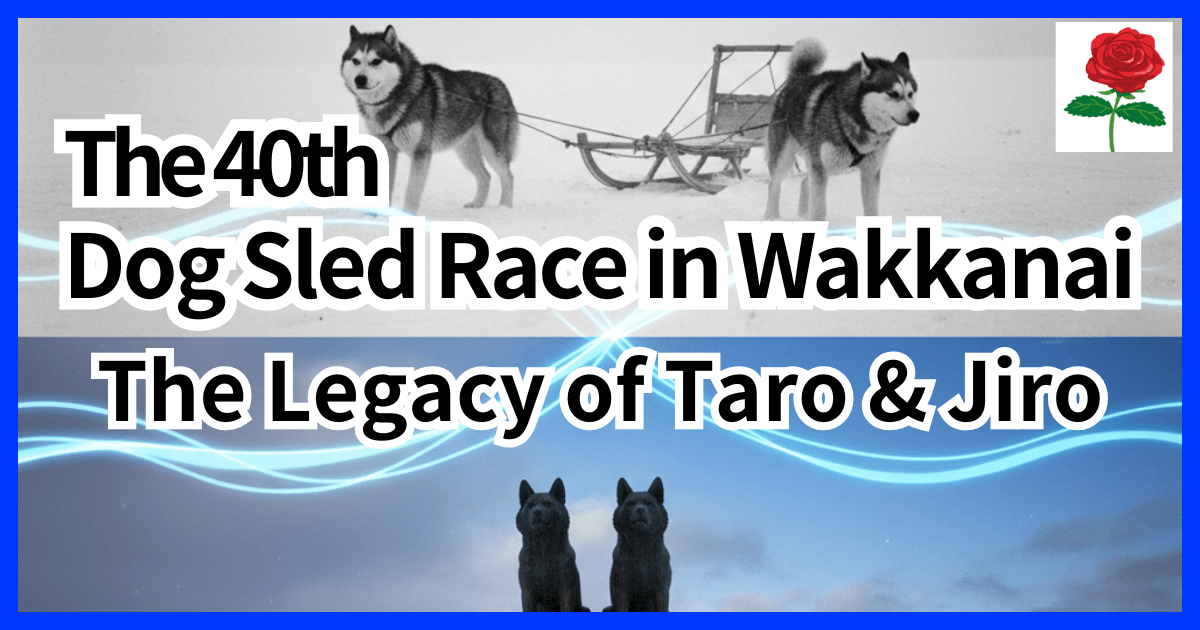
At the northernmost tip of Japan lies the city of Wakkanai, home to Cape Soya.
In winter, this city is transformed into a world of endless white, where freezing blizzards howl across the landscape.
Yet, in the middle of this frozen world, the most exciting and heartwarming “winter festival” is about to begin.
That event is JAPAN CUP 2026: The 40th National Dog Sled Wakkanai Championship, held from February 21st to 22nd, 2026.
The year 2026 is a huge milestone for this event.
Having reached its 40th anniversary, the championship has built a legendary reputation as the “High School Baseball Championship (Koshien) for Dogs,” attracting attention from all over Japan and even from around the world.
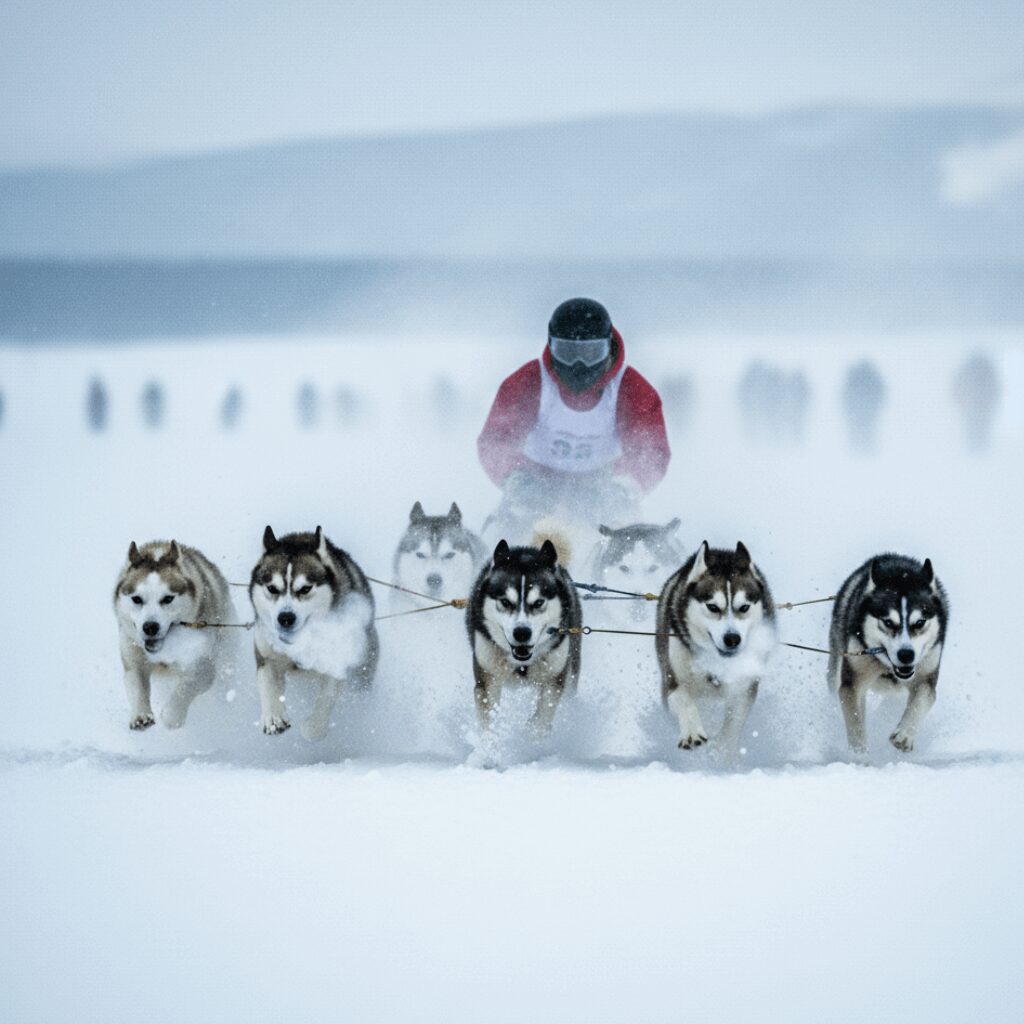
In the biting cold, you can hear the heavy breathing of the dogs as they slice through the snowy fields and the shouts of the mushers (the sled drivers) cheering them on.
Watching humans and dogs work together as one to reach the finish line is a powerful sight that makes you forget all about the freezing temperatures.
But why did Wakkanai, the northernmost point of Japan, become such a famous “holy land” for dog sledding?
The answer lies in a famous “story of life” that took place long ago in the extreme wilderness of Antarctica.
What we see on these snowy fields today isn’t just a sporting event; it is a symbol of the incredible bond created by two Sakhalin Huskies named Taro and Jiro, who once traveled with the Japanese Antarctic Research Expedition.
With the 40th anniversary just around the corner, this blog will dive into the history of Antarctic exploration, the amazing survival story featured in the movie Antarctica, and the energy of the dogs carrying on that legacy today.
We will explore why this moving event has captured so many hearts and remains a symbol of winter in Wakkanai.
Get ready for the story of a two-day drama filled with passion, snow, and ice!
Reference: Vocabulary and Cultural Notes
- Wakkanai (稚内):
The northernmost city in Japan, located in Hokkaido.
It is famous for its cold climate and its historical connection to Antarctic exploration.
- High School Baseball Championship / Koshien (犬たちの甲子園):
In Japan, “Koshien” refers to the famous national high school baseball tournament.
Calling the dog sled race the “Koshien for dogs” means it is the most prestigious and passionate national competition for the sport.
- Musher (マッシャー):
The technical term for a person who drives a dog sled.
- Taro and Jiro (タロとジロ):
Two famous Sakhalin Huskies who miraculously survived for a year in Antarctica after being left behind by a research team in 1958.
- Antarctic Research Expedition (南極地域観測隊):
A team of scientists and explorers sent to Antarctica to conduct research.
In the 1950s, they relied on dog sleds for transportation.
- Sakhalin Husky (カラフト犬): A powerful breed of working dog (Karafuto-ken) used for sledding in cold regions.
| 1. 動詞(Verbs) | lies, is, transformed, howl, is, begin, is, held, is, reached, built, attracting, hear, breathing, slice, cheering, watching, work, reach, is, makes, forget, become, lies, took, see, isn’t, created, traveled, dive, featured, carrying, explore, captured, remains, get | 36 |
| 2. 副詞(Adverbs) | across, yet, most, about, even, all, over, together, why, so, long, ago, just, today, just, around, today, why, so | 20 |
| 3. 名詞①(Nouns) | city, home, winter, world, landscape, middle, festival, event, year, event, reputation, attention, world, fields, line, sight, point, land, answer, story, life, fields, symbol, bond, corner, history, story, movie, energy, legacy, event, hearts, symbol, winter, story, drama, passion, ice | 38 |
| 4. 形容詞(Adjectives) | northernmost, frozen, exciting, heartwarming, national, huge, legendary, high, biting, cold, heavy, snowy, powerful, freezing, northernmost, famous, holy, famous, extreme, snowy, sporting, incredible, amazing, moving, ready | 25 |
| 5. 名詞②(Nouns) | tip, blizzards, championship, milestone, anniversary, shouts, mushers, sled, temperatures, wilderness, exploration, survival | 12 |
| 6. 前置詞・接続詞・他 | at, the, of, to, in, this, into, a, of, where, in, the, of, this, the, and, to, that, the, and, from, the, for, this, its, the, as, the, for, from, and, from, in, the, you, can, the, of, the, as, they, through, the, and, the, of, the, the, them, on, and, as, one, to, the, a, that, you, all, about, the, but, of, such, a, for, the, in, a, of, that, place, in, the, of, what, we, on, these, just, a, it, is, a, of, the, by, two, named, and, who, once, with, the, with, the, the, into, the, of, the, in, the, and, the, of, the, on, that, we, will, this, has, many, and, a, of, in, for, the, of, a, with, and | 157 |
| 合計 | 288 |
The Origin of the Race and the Spirit of Taro and Jiro
Total word count: 574, NGSL match: 512 ⇒ NGSL coverage rate: 89.2%
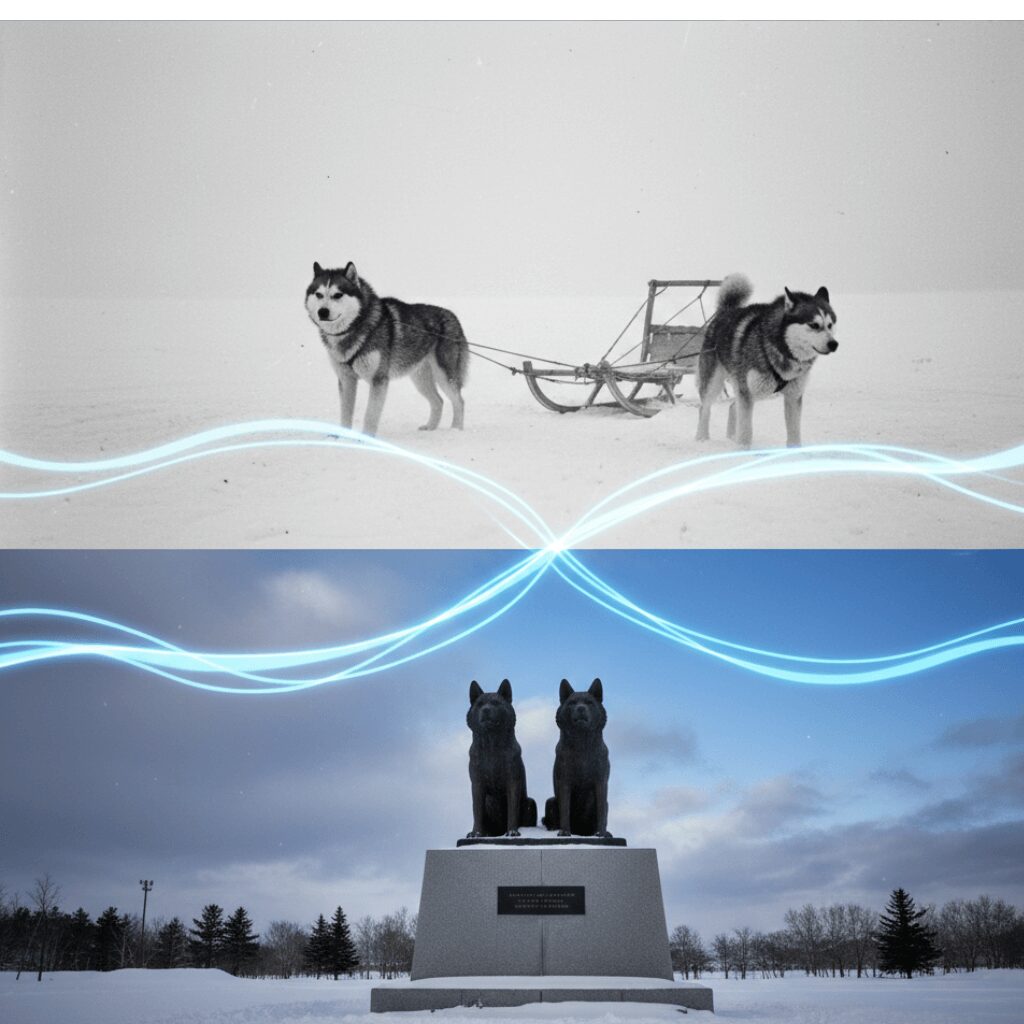
Why does the “JAPAN CUP National Dog Sled Wakkanai Championship” hold such a special meaning?
The answer lies in a story from about 70 years ago—the legendary tale of two Sakhalin Huskies, Taro and Jiro, who gave courage to all of Japan.
This event is more than just a race for speed; it is a sacred place born to honor the “spark of life” in dogs who survived against all odds and to pass their story down to future generations.
The Early Days of Taro, Jiro, and the Antarctic Team
Taro and Jiro were brothers born around 1954 near Wakkanai.
During that time, Japan was launching its first-ever Antarctic Research Expedition as a symbol of the country’s recovery after World War II.
Since snowmobiles weren’t common back then, 22 Sakhalin Huskies were chosen as a vital way to transport supplies.
Taro and Jiro were among them.
Wakkanai was the “starting point” where these dogs trained for the harsh conditions of Antarctica.
Known for their strong bodies that could withstand extreme cold and their intelligence in following orders, the dogs lived and ate with the team members.
They pulled sleds through fierce blizzards and became trusted partners whose work saved the lives of the explorers.
Tragedy and Miracles: The Story of the Movie Antarctica
However, fate took a cruel turn.
In 1958, the ship Soya, carrying the second research team, was blocked by record-breaking bad weather and could not reach the base.
When the first team had to be evacuated, the dogs were left behind in the frozen wasteland, tied to their chains.
The team truly believed a second group would arrive shortly to get them, but it was impossible.
This heartbreaking event was the basis for the 1983 movie Antarctica (Nankyoku Monogatari), which became one of the biggest hits in Japanese film history.
The movie vividly shows the dogs struggling against extreme hunger and cold.
One by one, their companions passed away.
Taro and Jiro, however, managed to break free from their chains.
They survived by crossing ice-covered seas and hunting penguins and seals for food.
Meanwhile, back in Japan, the team members lived in deep sorrow and guilt for having to leave their dogs behind.
About a year later, on January 14, 1959, a miracle happened.
When the third research team landed at the base by helicopter, they saw two dark shapes standing on the vast white snow.
It was Taro and Jiro.
They had survived in the wild on a deserted continent where everyone thought survival was impossible.
The Birth of the “Koshien for Dogs”
This miraculous reunion brought tears of joy and courage to people across Japan.
Later, Taro and Jiro were honored by the city of Wakkanai, and a monument was built in Wakkanai Park to celebrate their indomitable spirit.
(Taro eventually lived out his life at a botanical garden in Hokkaido, while Jiro’s legacy is preserved at the National Museum of Nature and Science).
The JAPAN CUP began from a passion to turn the “bond” and “will to live” shown by Taro and Jiro into something tangible for the next generation.
Because Wakkanai is the home of their story, the first race was held in 1984.
Since then, it has been called the “Koshien for Dogs.”
It isn’t just because it’s the top race in Japan—it’s because the modern dogs and their mushers today embody the same “deep connection with humans” and “passion for running” that those Antarctic dogs once had.
Even after 40 years, the eyes of the dogs at the starting line still hold the same steady, strong will that Taro and Jiro once possessed.
Reference: Vocabulary and Cultural Notes
- Sakhalin Husky / Karafuto-ken (カラフト犬):
A rare and powerful breed of working dog from the cold regions of northern Japan and Russia, known for their incredible endurance.
- Showa Era (昭和):
A period in Japanese history (1926–1989).
Taro and Jiro’s story is one of the most famous events of this era.
- Soya (宗谷):
The name of the famous Japanese icebreaker ship used for the first Antarctic expeditions.
- Showa Base (昭和基地):
The Japanese research station in Antarctica where Taro and Jiro were left behind.
- Indomitable Spirit (不屈の精神):
A spirit that is impossible to defeat or discourage, no matter how hard things get.
- Botanical Garden / National Museum of Nature and Science:
After they passed away, Taro and Jiro were preserved so that people could continue to learn about their bravery.
| 1. 動詞(Verbs) | does, hold, lies, gave, is, born, survived, pass, were, born, was, launching, were, chosen, transport, were, trained, withstand, following, lived, ate, pulled, became, saved, took, carrying, blocked, reach, had, be, evacuated, were, left, tied, believed, arrive, get, was, was, became, shows, struggling, passed, managed, break, survived, crossing, hunting, lived, leave, happened, landed, saw, standing, survived, thought, was, brought, were, honored, built, celebrate, eventually, lived, preserved, began, turn, shown, be, called, isn’t, embody, had, hold, possessed | 75 |
| 2. 副詞(Adverbs) | Why, such, about, ago, just, more, down, around, back, then, among, where, extreme, through, However, back, shortly, but, vividly, back, later, eventually, still | 23 |
| 3. 名詞①(Nouns) | answer, story, courage, event, race, speed, place, life, story, days, team, brothers, time, symbol, country, way, point, conditions, cold, orders, team, members, work, lives, story, movie, fate, ship, team, weather, base, team, group, event, basis, movie, history, film, movie, hunger, cold, ice, food, miracle, team, base, shapes, snow, survival, birth, tears, joy, courage, people, city, monument, spirit, life, garden, legacy, passion, bond, home, story, race, connection, humans, passion, line, will | 70 |
| 4. 形容詞(Adjectives) | special, legendary, sacred, future, early, common, vital, harsh, strong, trusted, cruel, second, bad, frozen, heartbreaking, biggest, extreme, deep, third, dark, vast, white, impossible, miraculous, indomitable, tangible, next, modern, same, steady, strong | 31 |
| 5. 名詞②(Nouns) | meaning, tale, spark, odds, generations, recovery, supplies, intelligence, sleds, explorers, miracles, wasteland, chains, companions, seas, seals, sorrow, guilt, shapes, continent, reunion, botanical, museum, nature, science, generation | 26 |
| 6. 前置詞・接続詞・他 | the, a, from, of, who, to, all, of, this, than, for, it, a, to, the, of, in, who, against, all, and, to, their, to, the, of, and, the, and, around, in, during, that, Japan, its, as, a, of, the, after, World, War, II, since, 22, as, a, to, and, was, the, where, these, for, the, of, for, their, that, and, their, in, the, and, with, the, they, and, whose, of, the, in, the, by, and, could, not, the, when, the, to, the, behind, in, the, to, their, the, a, would, to, them, it, this, for, the, which, one, of, the, in, the, the, against, and, one, by, one, their, away, however, to, from, their, they, by, and, and, for, in, the, in, and, for, having, to, their, behind, a, later, on, a, when, the, at, the, by, they, two, on, the, it, was, and, they, had, in, the, on, a, where, everyone, was, the, of, the, for, this, and, to, across, later, and, by, the, of, and, a, was, in, to, their, out, his, at, a, in, while, is, at, the, of, and, the, from, a, to, the, and, to, by, and, into, for, the, because, is, the, of, their, the, was, in, since, then, it, has, been, the, for, it, because, it’s, the, in, it’s, because, the, and, their, today, the, with, and, for, that, those, once, even, after, the, of, the, at, the, the, that, and, once | 287 |
| 合計 | 512 |
Why This Event is So Special
Total word count: 504, NGSL match: 441 ⇒ NGSL coverage rate: 87.5%
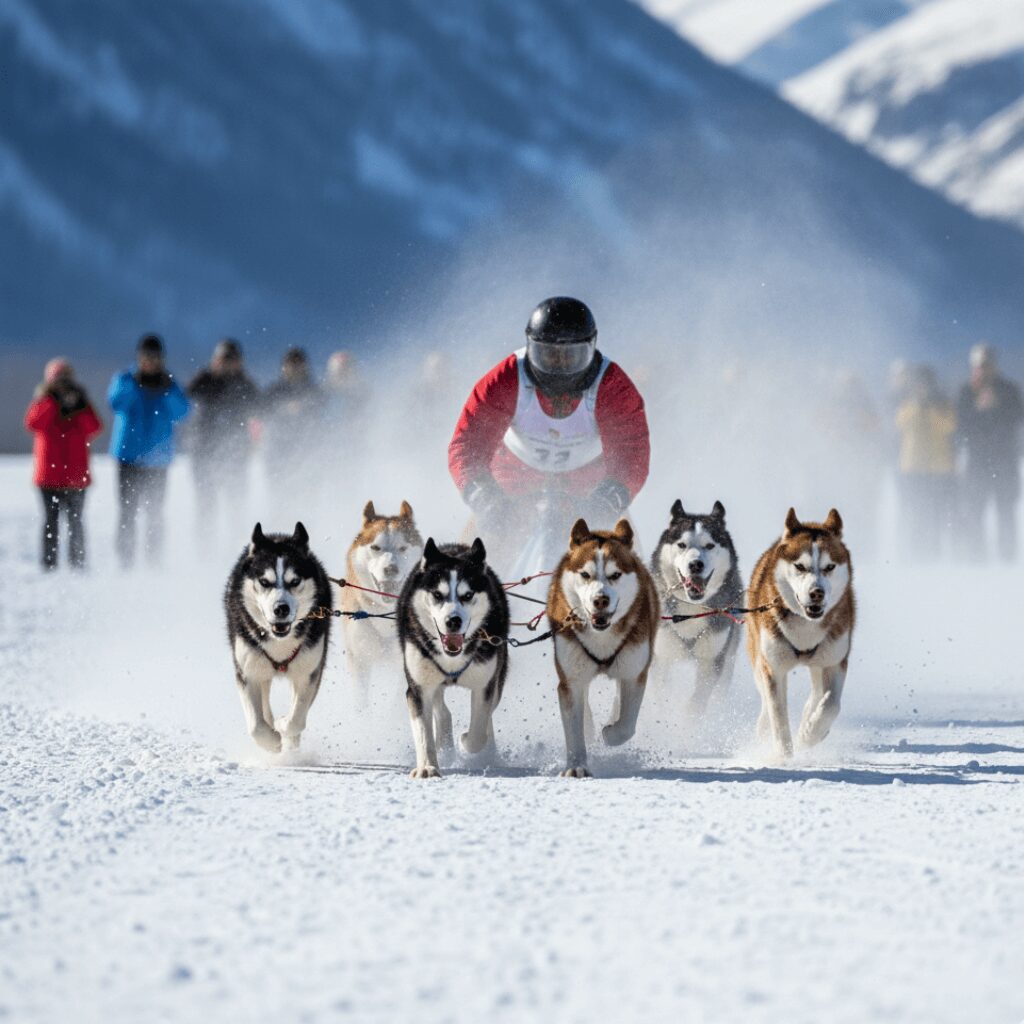
There is a clear reason why the “JAPAN CUP National Dog Sled Wakkanai Championship” has reigned as the “Koshien for Dogs” for 40 long years.
It goes far beyond a simple speed competition; it is a place that proves the power of “unconditional love” and the “bond of trust” born in extreme environments.
“Trust Beyond Species” Proven in the Freezing Cold
Winter in Wakkanai can be brutal.
Temperatures often drop below zero (minus 10 degrees Celsius), and intense blizzards can wipe out all visibility.
However, these harsh conditions are exactly what makes this race so special.
The dogs aren’t just being forced to run.
They are incredibly sensitive to their musher’s voice and even the energy coming from the person behind them.
As they charge through the snow, kicking up white clouds, they work in perfect harmony.
At the same time, the humans focus every bit of their attention on the dogs’ footsteps and breathing.
This “all-in-the-same-boat” spirit is the exact same life-or-death trust that the explorers and Sakhalin Huskies shared on the unknown continent of Antarctica long ago.
Seeing modern owners and their canine partners recreate that historic bond on the snow is what truly touches the hearts of the audience.
A “Cultural Hub” That Carries on the Drama of Life
Another reason is that this event isn’t just a show; it plays a cultural role in passing down the “will to survive” shown by Taro and Jiro.
After the movie Antarctica was released in 1983, a wave of emotion swept across Japan.
The city of Wakkanai didn’t let that excitement fade away as a temporary trend.
Instead, they nurtured this championship as a place to celebrate the “joy of humans and dogs walking together.”
The race takes place under the watchful eye of the “Antarctic Expedition Sakhalin Husky Monument” in Wakkanai Park.
For participants, it feels almost like a sacred journey.
Feeling the same northern wind that Taro and Jiro once felt is the ultimate honor for dog lovers, giving them great pride to stand on Japan’s highest stage.
“Community Warmth” That Transcends the Cold
Finally, the most important reason people love this event is its “temperature.”
Even though the weather is freezing, the atmosphere at the venue is surprisingly peaceful and warm.
The mushers who gather from all over the country are rivals, but they are also comrades who love dogs.
Once the race is over, they congratulate each other and care for each other’s dogs, no matter who won or lost.
Additionally, the incredible support from the local people of Wakkanai and the cheers from fans who come prepared for the cold turn the freezing winter into a scene of pure excitement.
This “warm atmosphere where people, dogs, and spectators become one” is what keeps people coming back and has supported the north’s winter for 40 years.
Reference: Vocabulary and Cultural Notes
- Unconditional Love (無償の愛):
Love that is given freely without expecting anything in return.
- All-in-the-same-boat / Ichiren-takusho (一蓮托生):
A Japanese concept meaning to share the same fate or to be completely committed to one another, through good times and bad.
- Cultural Hub (文化の拠点):
A central place where traditions, history, and values are kept alive and shared with others.
- Sacred Journey / Pilgrimage (巡礼):
Usually a journey to a holy place.
Here, it describes how competitors feel a deep, spiritual connection to the history of Taro and Jiro while racing.
- Comrades (同志):
People who share the same goals or passions; more than just friends, they are teammates in spirit.
- Hospitality / Support (手厚いサポート):
The kindness and help provided by the local community to make sure everyone feels welcome and safe.
| 1. 動詞(Verbs) | is, reigned, goes, proves, born, can, be, drop, can, wipe, makes, are, being, forced, run, are, coming, charge, kicking, work, focus, shared, seeing, recreate, touches, carries, is, plays, passing, shown, was, released, swept, let, fade, nurtured, celebrate, walking, takes, feels, felt, is, giving, love, is, gather, are, are, love, is, congratulate, care, won, lost, come, turn, becomes, keeps, coming, supported | 60 |
| 2. 副詞(Adverbs) | Why, far, beyond, often, below, out, exactly, so, incredibly, even, behind, through, long, ago, truly, just, instead, together, almost, once, finally, most, even, though, surprisingly, also, once, over, each, together, back | 31 |
| 3. 名詞①(Nouns) | reason, long, years, speed, power, love, trust, winter, visibility, race, voice, person, snow, clouds, harmony, time, attention, spirit, life, death, trust, continent, partners, bond, hearts, audience, reason, event, role, life, wave, emotion, city, trend, joy, race, eye, park, journey, wind, honor, pride, stage, reason, people, event, weather, venue, atmosphere, country, dogs, race, support, people, fans, winter, scene, atmosphere, people, years | 60 |
| 4. 形容詞(Adjectives) | clear, special, simple, unconditional, extreme, brutal, zero, intense, harsh, special, sensitive, white, perfect, same, unknown, modern, historic, another, cultural, temporary, watchful, northern, ultimate, great, highest, important, freezing, peaceful, warm, incredible, pure | 31 |
| 5. 名詞②(Nouns) | championship, competition, environments, species, temperatures, blizzards, musher, energy, footsteps, breathing, explorers, owners, survivors, excitement, participants, lovers, rivals, comrades, spectators, north | 20 |
| 6. 前置詞・接続詞・他 | there, a, the, has, as, the, for, 40, it, a, it, is, a, that, the, of, and, the, of, in, in, can, be, minus, 10, degrees, Celsius, and, all, however, these, conditions, what, the, not, to, they, to, their, and, the, from, the, as, they, up, they, in, at, the, the, humans, bit, of, their, on, the, this, is, the, exact, that, the, and, on, the, of, seeing, and, their, that, on, the, is, what, the, of, a, that, on, the, that, this, is, a, it, a, in, the, to, by, and, after, the, in, 1983, a, of, across, Japan, the, of, did, not, that, as, a, they, this, as, a, place, to, the, of, and, the, under, the, of, the, in, for, it, like, a, the, that, and, is, the, for, dog, them, to, on, the, people, this, is, its, the, is, the, at, the, is, and, the, who, from, all, but, they, who, the, is, they, each, and, for, no, matter, who, or, additionally, the, from, the, local, of, and, the, from, who, for, the, the, into, a, of, this, where, and, one, is, what, and, has, the, for, 40 | 239 |
| 合計 | 441 |
Highlights and the 2026 Event Details
Total word count: 425, NGSL match: 373 ⇒ NGSL coverage rate: 87.8%
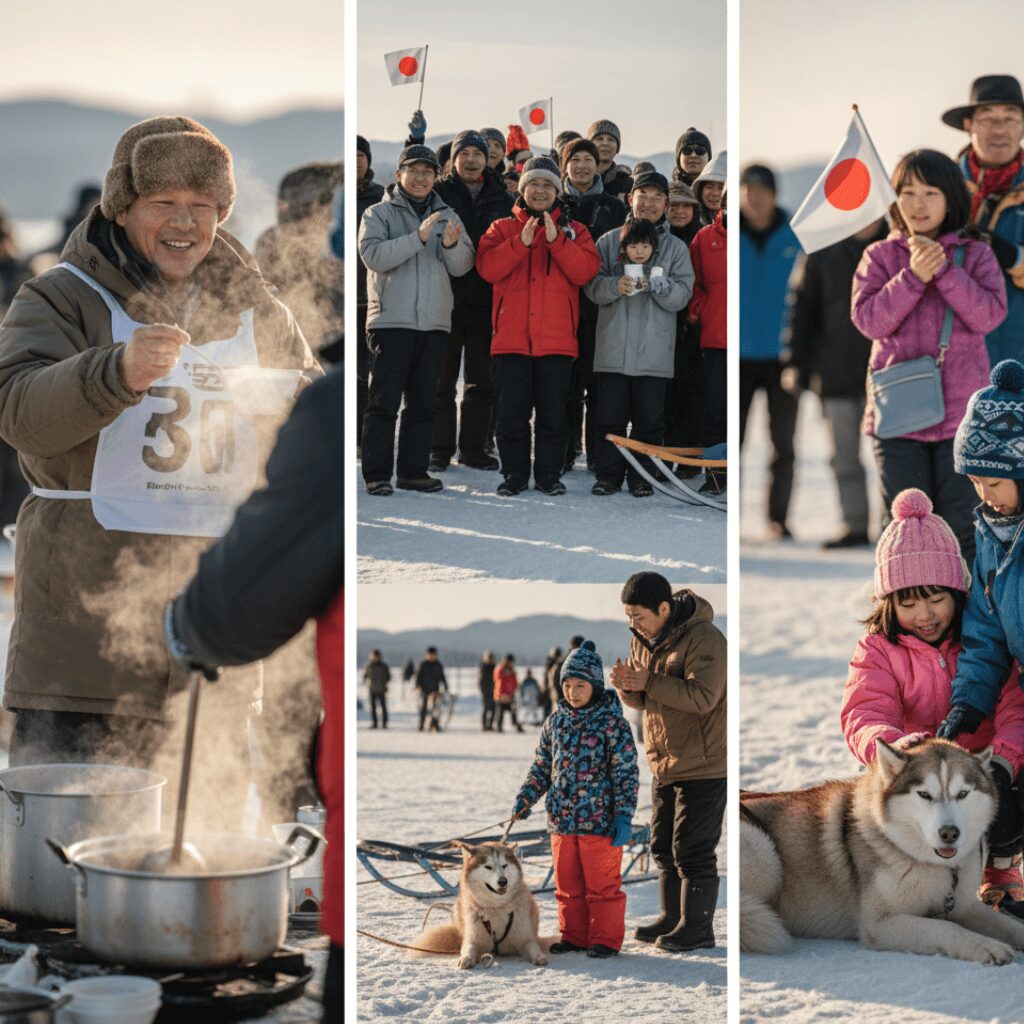
“JAPAN CUP 2026: The 40th National Dog Sled Wakkanai Championship” is expected to be more exciting than ever as it celebrates its major 40th-anniversary milestone.
Here is a look at what you will see at the venue and the specific details of the event.
The Heartbeat of “Human and Dog as One”
When the race begins, you experience an overwhelming reality that you just can’t get from TV or movies.
You’ll hear the howling of the dogs at the start line, impatiently waiting to be released.
The moment the signal is given, they burst forward with explosive speed—it is truly a “work of art on the snow.”
The dogs kick up clouds of “snow dust,” creating a white veil as the musher speeds along, perfectly balancing the sled.
You can see the perfect harmony between them as they navigate sharp turns and hear the musher’s encouragement as they climb hills.
The moment they cross the finish line and the musher hugs their dogs to celebrate, the crowd erupts in applause.
This sight of “partners sharing joy” is the true highlight of the championship.
【Event Outline】 Details for the 40th Anniversary
This memorial event is scheduled as follows:
| Event Name | JAPAN CUP 2026: The 40th National Dog Sled Wakkanai Championship |
| Dates | February 21 (Sat) – 22 (Sun), 2026 |
| Location | Wakkanai City, Hokkaido – Onuma Special Venue (Famous as a site for migrating swans) |
| Main Categories | 1-dog, 2-dog, 3-dog, 4-dog, and 6-dog races; Junior Class; Weight Pull (strength competition), etc. |
| Special Events | 40th Anniversary Ceremony, Taro & Jiro history booths, and a food court featuring local delicacies. |
Spectators are Stars, Too: A “Warm Community” That Defies the Cold
Wakkanai’s winter is harsh, but the energy inside the venue is incredible.
Local residents in heavy winter gear and fans from all over the country join together to cheer.
What makes this event special is that the spectators feel just as involved as the racers.
At the venue, you can find booths serving warm “Crab Soup” (a Wakkanai specialty) and other local treats to warm you up to the bone.
There are also dog sled trial areas where children and visitors who aren’t competing can interact with the dogs.
The entire area is filled with a kind and peaceful mood.
This mix of heart-pounding excitement and human kindness is a sight you can only find in Wakkanai during the winter.
Reference: Vocabulary and Cultural Notes
- Snow Dust (雪煙):
The fine, powdery snow kicked up into the air by the dogs’ paws and the sled’s runners.
- Aun-no-Kokyu (阿吽の呼吸):
A Japanese phrase describing two people (or a human and a dog) acting in perfect sync without needing to speak.
- Weight Pull (重量引き):
A competition where a dog tests its strength by pulling a weighted sled over a short distance.
- Crab Soup / Kani-jiru (カニ汁):
A popular local dish in Hokkaido made with fresh crab and miso, perfect for staying warm outdoors.
- Onuma (大沼):
A large pond/lake area in Wakkanai. In winter, it becomes a beautiful spot where many elegant white swans gather.
- Milestone (節目):
A significant point in time or a major anniversary, like the 40th year of this race.
| 1. 動詞(Verbs) | is, expected, be, celebrates, is, look, see, begins, experience, get, hear, waiting, be, released, is, given, burst, kick, creating, speeds, balancing, see, navigate, hear, climb, cross, hugs, celebrate, erupts, is, scheduled, follows, featuring, defies, is, join, cheer, makes, feel, find, serving, warm, competing, interact, filled, is, find | 47 |
| 2. 副詞(Adverbs) | more, ever, as, just, forward, truly, along, perfectly, just, as, together, just, also, only | 14 |
| 3. 名詞①(Nouns) | look, venue, details, event, heartbeat, race, reality, start, line, moment, signal, speed, work, art, snow, harmony, hills, moment, line, joy, championship, outline, event, name, dates, location, site, strength, competition, history, food, court, energy, venue, residents, gear, country, event, spectators, venue, visitors, area, mood, excitement, kindness, sight, winter | 47 |
| 4. 形容詞(Adjectives) | exciting, major, specific, overwhelming, explosive, white, sharp, true, memorial, local, special, harsh, incredible, heavy, special, warm, local, entire, kind, peaceful | 20 |
| 5. 名詞②(Nouns) | anniversary, milestone, howling, dust, veil, musher, sled, encouragement, crowd, applause, highlight, ceremony, delicacies, community, treats, trial | 16 |
| 6. 前置詞・接続詞・他 | The, 40th, National, Dog, Sled, Wakkanai, to, than, as, it, its, Here, a, at, what, you, will, at, the, and, the, of, the, The, of, and, as, One, When, the, you, an, that, you, from, TV, or, movies, You’ll, the, of, the, at, the, the, the, is, they, with, it, a, on, the, The, up, of, a, as, the, the, You, can, the, between, them, as, they, and, the, as, they, The, they, the, finish, and, the, their, to, the, in, This, of, partners, is, the, for, the, 40th, This, is, as, 21, Sat, 22, Sun, 2026, 1, 2, 3, 4, and, 6, races, etc, &, and, a, are, Too, A, That, the, but, the, inside, the, is, in, and, from, all, over, the, to, What, this, is, that, the, as, as, the, racers, At, the, you, can, and, other, to, you, up, to, the, bone, There, are, also, where, children, and, who, aren’t, can, with, the, The, is, with, a, and, This, of, and, human, is, a, you, can, in, during, the | 229 |
| 合計 | 373 |
広告
レアジョブ英会話
A Drama on the Snow Leading to the Future
Total word count: 351, NGSL match: 312 ⇒ NGSL coverage rate: 88.9%
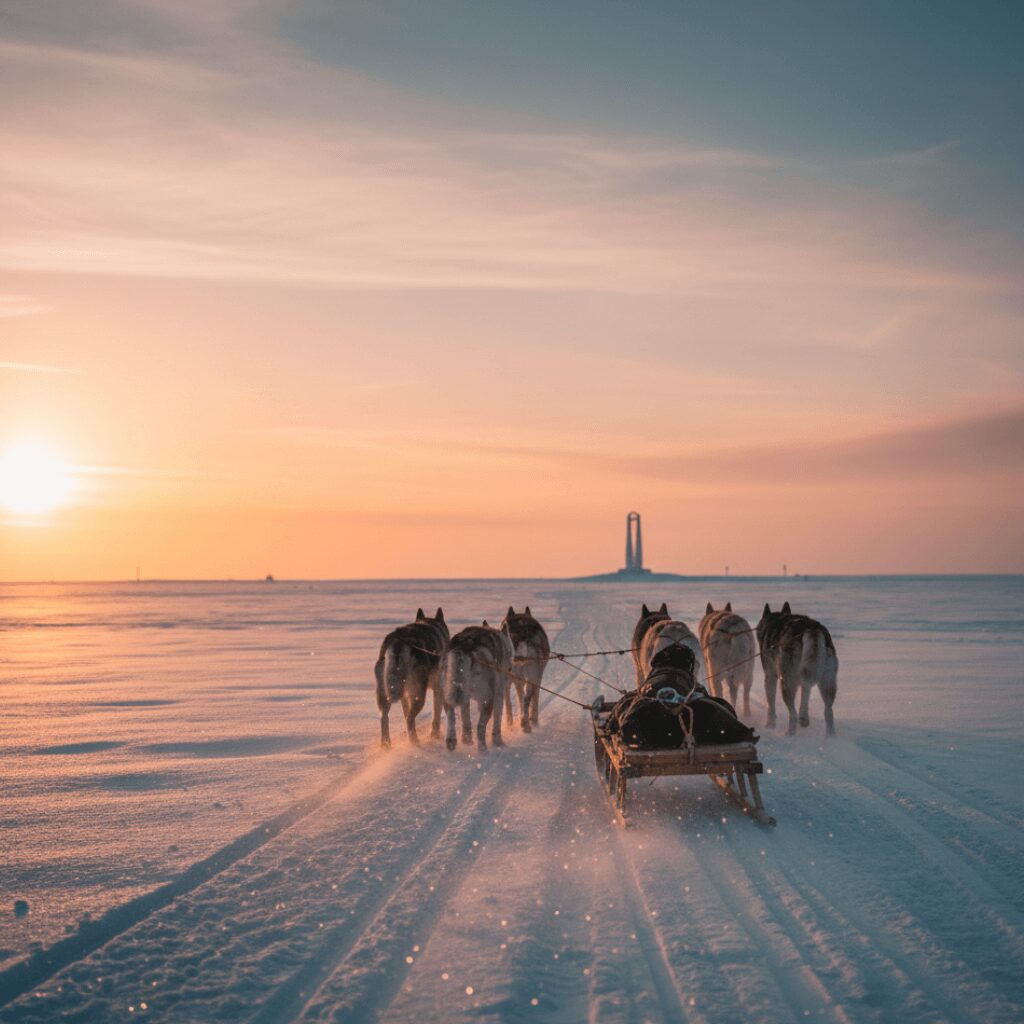
The “JAPAN CUP 2026: The 40th National Dog Sled Wakkanai Championship,” held on February 21st and 22nd, is much more than just a winter sports event.
It is a “Festival of Life” that proves the spirits of Taro and Jiro—who performed a miracle in the extreme world of Antarctica—are still alive today within the bond between humans and dogs.
What 40 Years of History Proves
It has been 40 years since the very first race.
The reason this “Koshien for Dogs” has continued without ever stopping is simple: our respect and love for dogs never change.
The emotion and gratitude people felt when Taro and Jiro were honored by Wakkanai City have been passed down through the years.
You can see it today in the serious eyes of the mushers racing across the white snow and in the way they tightly hug their dogs after reaching the finish line.
This championship is a place to remember history, but it is also a place of hope for the future, where we celebrate the partners we live with right now.
An Unforgettable Experience in Wakkanai
The excitement is so intense it makes you forget the sub-zero temperatures.
The energy of humans and dogs bursting through the snow as one is incredible.
Combined with the warm hospitality of the local community, this “drama of the Wakkanai winter” will leave an impression on your heart that you will never forget.
In 2026, for this 40th-anniversary milestone, everyone—the spectators, the racers, and especially the dogs—will be the stars of the show.
These two days will let you feel the “pulse of life” in the warmest way possible at the northernmost tip of Japan.
A Final Word
The “will to live” shown in the movie Antarctica and the “trust beyond species” that Taro and Jiro taught us will never fade away, no matter how much time passes.
This winter, we invite you to visit Wakkanai and feel the “symphony on the snow” performed by the dogs. There, a true bond that goes beyond words is waiting for you.
Reference: Vocabulary and Cultural Notes
- Festival of Life (命の祭典):
An event that celebrates the power, beauty, and importance of being alive.
- Gratitude (感謝の念):
A deep feeling of being thankful.
- Symphony on the Snow (雪原のシンフォニー):
A poetic way to describe the beautiful, coordinated movement of the dogs and the sounds of the race working together like music.
- Pulse of Life (命の鼓動):
The “heartbeat” or energy that shows something is truly alive and passionate.
- Beyond Words (言葉を超えた):
Something so powerful or deep that you cannot fully explain it with just talking; it must be felt.
- Sub-zero (氷点下):
Temperatures below freezing (0°C or 32°F).
| 1. 動詞(Verbs) | held, is, proves, performed, are, proves, has, been, continued, stopping, change, felt, were, honored, been, passed, see, racing, reaching, remember, is, celebrate, live, makes, forget, bursting, is, leave, forget, be, let, feel, shown, taught, fade, passes, invite, visit, feel, performed, goes, waiting | 42 |
| 2. 副詞(Adverbs) | much, more, just, still, today, within, very, ever, never, down, through, today, across, tightly, after, also, right, now, so, through, never, especially, away, how, much | 25 |
| 3. 名詞①(Nouns) | winter, sports, event, life, world, history, race, reason, love, emotion, years, eyes, way, line, history, hope, future, partners, experience, temperatures, energy, snow, winter, impression, heart, show, days, way, tip, word, movie, time, snow, bond, words | 35 |
| 4. 形容詞(Adjectives) | extreme, alive, first, simple, serious, white, intense, incredible, warm, local, unforgettable, possible, final, true | 14 |
| 5. 名詞②(Nouns) | spirits, miracle, respect, gratitude, mushers, finish, championship, excitement, hospitality, community, drama, anniversary, milestone, spectators, racers, pulse, species, symphony | 18 |
| 6. 前置詞・接続詞・他 | The, 40th, National, Dog, Sled, Wakkanai, on, February, 21st, and, 22nd, is, than, a, It, is, a, of, that, the, of, and, who, a, in, the, of, Antarctica, today, the, between, humans, and, What, 40, Years, of, It, since, the, The, this, for, without, is, our, and, for, The, and, people, when, and, by, City, have, You, can, it, in, the, of, the, the, and, in, the, they, their, the, This, is, a, to, but, it, is, a, of, for, the, where, we, the, we, with, An, in, The, is, it, you, the, sub-zero, The, of, and, as, one, is, Combined, with, the, of, the, this, of, the, will, an, on, your, that, you, will, In, 2026, for, this, the, the, and, the, will, be, the, of, the, These, two, will, you, the, of, in, the, at, the, northernmost, of, Japan, A, The, will, to, in, the, and, the, trust, beyond, that, and, us, will, no, matter, This, we, you, to, and, the, on, the, by, the, There, a, that, beyond, is, for, you | 178 |
| 合計 | 312 |
Career advancement
2026年2月21日と22日に開催されるイベント。
This event will be held on February 21st and 22nd, 2026.
今日は、日本最北端の地、稚内で開催される『JAPAN CUP 第40回全国犬ぞり大会』についてお伝えしたいと思います。
Today, I would like to tell you about the JAPAN CUP 40th National Dog Sled Competition, which will be held in Wakkanai, the northernmost point of Japan.
・・・ただの犬ぞりレースだと思っているなら、それは大間違いです。
…If you think this is just a dog sled race, you’d be very wrong.
これは、死の淵から生き延びた「奇跡の魂」を呼び覚ますイベントです。
This is an event that awakens the “miraculous spirits” that have survived the brink of death.
約70年前、極寒の南極に取り残された2匹の樺太犬、タローとジロー。
Approximately 70 years ago, two Sakhalin dogs, Taro and Jiro, were left behind in the frigid Antarctic.
誰もこの2匹が生き残れるとは思っていませんでした。
No one thought these two would survive.
想像してみてください。
Just imagine.
彼らは何を信じ、なぜ、人の気配のない暗く凍てつく野原を走り続けたのでしょうか?
What did they believe in, and why did they continue to run through the dark, icy fields, with no sign of humanity?
その答えは、稚内の雪原に隠されています。
The answer lies hidden in the snowy fields of Wakkanai.
今年で40周年を迎えるこのレース。
This year marks the 40th anniversary of this race.
スタートラインに立つ犬たちの瞳を見つめてください。
Look into the eyes of the dogs as they stand at the starting line.
タローとジローが持っていた不屈の精神。
The indomitable spirit that Taro and Jiro possessed.
氷点下10度の寒さを切り裂く犬たちの鼓動、そして雪煙を巻き上げる圧倒的なダイナミズム。
The heartbeats of the dogs as they brave the -10°C cold and their overwhelming dynamism as they kick up clouds of snow.
それはまさに、時代を超えて響き渡る生命のシンフォニーです。
It’s truly a symphony of life that resonates through the ages.
2026年の記念レースでは、地元グルメや40周年記念特別展示など、盛りだくさんの内容が用意されています。
The 2026 commemorative race will feature a variety of activities, including local gourmet food and a special 40th anniversary exhibition.
寒さを忘れさせるほどの温かさと、言葉では言い表せない犬たちとの絆に、きっとご満足いただけると思います。
I’m sure you’ll be delighted by the warmth that will make you forget the cold and the indescribable bond you form with the dogs.
初めてレースに臨む方でも、その迫力にきっと心を奪われるはずです。
Even first-time racers will be captivated by the excitement.
2026年の冬、日本最北端で繰り広げられる「生命のドラマ」を、ぜひご自身の目で確かめて下さい。
Come and see for yourself the “drama of life” unfolding in Japan’s northernmost point in the winter of 2026.
自分らしいスローライフをお楽しみください。
Enjoy a slow life that resonates your way.
朝食に感謝。
Thank you for the breakfast.
応援と高評価をよろしくお願い致します。
I appreciate your support and positive reviews.
広告
レアジョブ英会話
【Related pages you might also want to read】